
Bath Therapy for Combat Arts Workout Recovery
The Japanese greatly value bathing, and even today have public baths. Traditional Japanese bathers use hot water and scrub with a special type of cloth that exfoliates the skin. Baths are a simple, relaxing recovery tool for the martial artist after constant hard training. Just don’t buy the “detox” hype: there is no compelling evidence that detox programs remove toxins from the body—your liver and kidneys do that job.
Georges St-Pierre, also known as GSP, is the former Middleweight Champion of the Ultimate Fighting Championship. He is an ice bath devotee. “An ice bath after training is good, but a river is even better!”.
Hydrotherapy for Recovery
The use of water for recovery, easing aches and pains, soothing bruises, cleaning cuts and scrapes, washing away sweat, then being left feeling strong and renewed once again is undoubtedly as old as the first time humans found an icy stream or steaming hot, water-filled fissure.
Bath water should be warm, not scalding. Very hot water can burn the skin and cause dizziness or fainting, and there is no evidence that hot water pulls toxins out through the skin. If you have a heart condition or are pregnant, check with your doctor before taking hot soaks.

Ancient Warriors Used Hydrotherapy


Source: nitis.s, Standard License, via Shutterstock
Evidence of ancient bathing practices from 2,400 BC were documented in archeological finds from palace bathing chambers of Knossos and Phaistos in Crete. In ancient times, martial artists and warriors used hot springs, icy river plunges, and snow dives to increase circulation, dull pain, and promote body pain resistance. Greeks used cold water first and then hot, while the Romans used hot water first and then cold.
Ancient Norse warriors are famous for alternating hot spring dips with deep snow rolling to toughen and strengthen their bodies. Research on water therapy is still developing, but every martial artist who’s ever gingerly lowered a beaten, dully aching body into a warm bath or hot spring knows the feeling. It helps.
There is some research support, along with traditional wisdom, on when to use a warm soak or a cold dip. The evidence for bath extras such as salts and oils is much thinner.
Faster Recovery
Modern martial artists, like warriors of ancient times, need and rely upon a powerful, fast recovery from training, sparring, and fighting events. There is a lot of advice and information out there about best ways to train, layer on muscle, increase endurance, speed, and power. The key to achieving amazing martial arts conditioning, though, lies in recovery.
Every fighter wants to gain muscle mass, power and strength in the fastest way possible. Push that killer body to the limit, most days of the week, major intense workouts. Good, right? Sure, if there’s a great recovery plan. That’s why all martial artists, whether capoeira, ninjutsu, savate, BBJ, muay thai, tanglang, aikido, judo, and bagua, or karate, kung fu, krav maga, taekwondo, sanshou, kenjutsu, or any other style gets training advice from their masters and teachers, while MMA and UFC warriors have tough trainers who aren’t just telling them to train harder—but when and how to recover better, quicker, faster, so all that intense training results in hardcore conditioning—not physical breakdown.
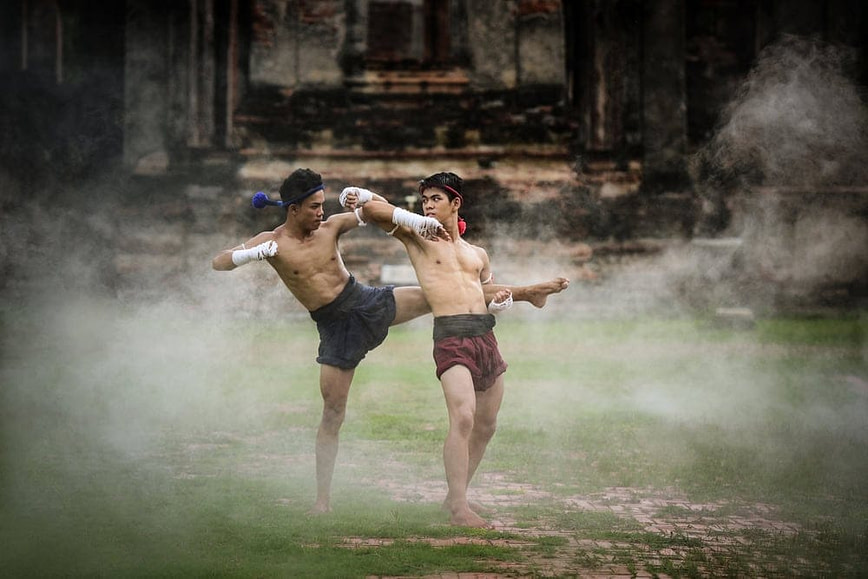
Source: Sumith Nunkham, Standard License, via Shutterstock
Great training depends on excellent training methods, intense physical application, mental determination, and natural talent. Great training also depends on restoring the muscles and body after powerful training sessions create micro-tears, joint pain, and bone stress. Improving training methods, or improving the body's ability to quickly recover from training, bouncing back with increased strength, endurance, and enhanced speed, gives the martial artist that finely honed edge.
Recovery Is Essential
There are many approaches to increasing recovery and physical restoration, while lowering time required. Properly utilizing these methods will make a huge difference between, for instance, working out like maniac, restoring the body, and with it the ability to maintain that intensity of workout every day, or suddenly feeling like every muscle is rebelling at the very idea of moving.
Good recovery habits, and baths can be one of them, help ease aches, pains, and stiffness so you can keep making progress between training sessions. No bath has been shown to prevent injury on its own.
Baths To Improve Recovery


There has been a lot of research performed on how baths of every type affect training, recovery, strength and endurance immediately before and after bathing, and with delayed time response.
It would seem the final answer on baths would be clear by now. After all this intense research into baths, the different types, what they can and cannot do, how they may or may not assist training, how they impact the physical responses of the body, details should be reasonably certain at this point.
Research on baths for recovery is encouraging for some approaches, such as cool and contrast water, and thinner for others. Ice baths continue to have mixed results. This does not mean that ice baths do not work.
It does mean, however, that this extreme method of recovery may be dependent upon personal hereditary details, body type, training type, and even personal preferences. For instance, just as some people can’t do hot tubs and require constant air conditioning, others do better in heat than cold, and will take 100 degree weather any day over zero degrees and snow. On a physical level there will be a reason for this. Pay attention to personal body mechanics and physical preferences then turn them to your advantage.
Test Your Body
The truth is that it’s convenient to have a box that every ‘body’ fits into, a single, definitive answer that will tell the training athlete exactly what they need, when, how much, and how often. The truth is more complicated than that. Think about it: if the answer was always the same, then don’t pay a trainer, just read one book or follow that single training plan.
Mix It Up For Top Results
The flip side to this is that in order to continue major gains in physical conditioning, training types and approaches, along with which recovery methods used and when, should be varied and mixed up to keep them from getting stale and maintain a sharp edge. The body adapts to training, so many coaches vary both training and recovery to keep a combat-ready body progressing.
Alternative Recovery Methods
Have several different recovery methods that are of varying intensities. Use the most effective methods only after extreme workouts or primo fighting sessions. This keeps them consistently useful for when they are most needed. Utilize less extreme and intense recovery methods after easier workouts or low level sparring. For instance, this means if using ice baths, try them after those killer workouts when just climbing into the tub feels grueling.
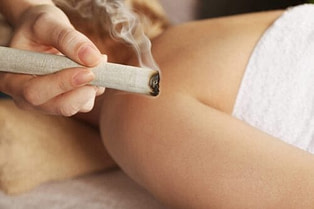

Source: Africa Studio, Standard License, via Shutterstock
Bodies Are Different
Research gives more consistent support for cool and contrast water, but mixed results on the effectiveness of ice baths. So, the final answer lies with you. It is ridiculous to assume that every ‘body’ will respond the same way every time to specific stimuli.
Each person has a different genetic makeup, finds comfort in different climates, and even basic needs may vary at different times. The ideal answer is to find out what works for you. Warm soaks and cool or contrast water are generally well-tolerated ways to support recovery.
Ice baths are one recovery approach that must be personally tried out and its efficiency individually decided.
A Look at the Research
Research shows some positive physiological changes in athletes from water therapy, especially cold and contrast water immersion. Evidence for heat baths is smaller, and there is little good research behind Epsom salts, baking soda, essential oils, or detox baths beyond their value for relaxation.
The research results on cryotherapy or ice baths, however, provides very mixed results. However, many powerful professional athletes swear by its effectiveness in recovery after extreme training or fighting events.
Get a Cushion & Bath Ball
The bottom line for baths is comfort, ease, and relaxation. A bath cushion will support the head while allowing neck, shoulders, upper and lower back to let go, giving a better bath ‘bang for buck’ relaxation response. A small cushion can make a surprisingly large difference in bath comfort. Also, placing a small soft ball behind the back can be used for hitting trigger points in the back, shoulders and neck, pushing harder or softer depending on pressure level needed to release tension points during a hot bath.
Did You Know?
Soaking in a Bath Can Help You
Become a Better Combat Athlete
It is easier to do self-massage in the tub because of the body’s natural tendency to float in the water, allowing better control over the ball while still relaxing. Use this ball to push on trigger points and other sore areas for a self-massage while the heat melts away tightness.
The seven basic hydrotherapy recovery methods include:
Heat Therapy
Use heat therapy for reducing pain, soreness, inflammation, trigger points, tension and stress. Hot baths are the original deep hydrotherapy or water therapy treatment.
A hot bath warms the skin, relaxes muscles, and raises the temperature of the muscle itself. A warm soak can ease aches and help you unwind from the stress of intense competition or daily life—but save heat for sore, tight muscles, not fresh injuries.
Some small studies suggest that hot water may be a useful alternative to the post-workout ice bath, but research on heat for recovery is still limited compared with cold water.
Never submerge your head in a hot bath. Putting your head under hot water can quickly lead to overheating, dizziness, or fainting, and brings a real risk of drowning. Keep your head and face above the water; a cool, damp cloth on the forehead is a safer way to deepen relaxation.
Also, try slow, gentle stretching once muscles have relaxed, but while still in the tub. A good rule of thumb is trigger points are usually improved through heat, and often tightened up and made worse through cold or icing. Hot baths can soften connective tissue, and may help relax trigger points so they become less prominent and painful.
Hot Baths For Low Back Pain
Heat can give modest, short-term relief for some low back pain, especially when the problem is muscle tightness or myofascial ‘knots’ or trigger points, and a warm bath is an easy way to apply it. If back pain is severe, follows an injury, or comes with numbness, weakness, or trouble controlling your bladder, see a doctor.
Tendency To Overheat
Physiological response to heat varies, and many people avoid hot baths even if they need them because they get headaches, feel weak, dizzy, or shaky.
These problems occur because of overheating, so try a lower temperature bath, or getting out sooner. Another method of controlling this response is to keep body extremities cooler by hanging feet, legs or arms out of the tub.
Soak a towel in cold water and wrap it around your neck or upper body, lay ice cubes wrapped in a thin washcloth on your chest, or keep a pitcher of icy water beside the tub and periodically pour it over head, feet, hands, or legs.
Always keep a glass of cold drinking water handy while in hot water to continue cooling and hydrating from the inside, and also because the human body sweats when in hot water and can lose a lot of fluid.
Caution
NEVER apply heat to an acute injury. It can increase inflammation, pain, and prolong recovery. The appropriate care is R.I.C.E., or rest, ice, compression, and elevation.
Epsom Salts Bath
Epsom salts or magnesium sulfate USP is known scientifically as hydrated magnesium sulfate.


Source: Anna Ok, Standard License, via Shutterstock
Epsom salts are rich in both magnesium and sulfate, and they are often said to soak in through the skin and into the bloodstream. The evidence is weak: a review of transdermal magnesium found the evidence insufficient. One small, often-quoted study had people soak in water reported at 122°F to 131°F—hot enough to scald—so it is not a model to copy.
Epsom Salts Are Not a Weight-Cutting Tool
There is no good evidence that Epsom salt baths prevent bloating or help UFC or MMA fighters cut weight. Using hot soaks to sweat off weight adds to the risk of dehydration; plan weight changes gradually with qualified guidance.
Magnesium Matters for Athletes
Magnesium is a very important mineral for athletes, and one that many people fall short on. Among other things, it helps with muscle and nerve function. Food is the reliable way to get it—a bath is not a proven substitute.
If you are worried about low magnesium, look at your diet first—nuts, seeds, beans, whole grains, and leafy greens—and talk to your doctor before supplementing. Absorbing meaningful amounts of magnesium or sulfate from a bath has not been proven.
Sulfates play a role in forming joint and connective tissue proteins, but whether bathing in Epsom salts raises sulfate or magnesium levels in a useful way is unproven. Enjoy the soak for relaxation rather than as a supplement.
Epsom Salts Bath Method
This consists of bathing for 10 to 20 minutes in a warm—not scalding—bath to which Epsom salts have been added. It is a simple way to relax muscles and ease tension from the mind. Claims that Epsom salts detoxify the body or treat injuries and inflammation are not well supported; most of the benefit likely comes from the warm water itself. About two cups, or 300 to 400 grams, in a normal size bath is the amount usually suggested.
More is not better. There is no evidence that extra Epsom salt adds benefit, and very concentrated soaks can dry out or irritate the skin. Many people use an Epsom salt bath two to three times per week after hard workouts simply because it feels relaxing. A warm bath makes you sweat, so drink water, and rinse off afterward if your skin feels itchy or dry.
Affiliate Link
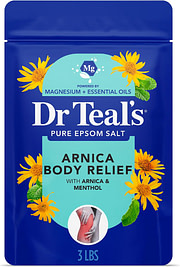
A warm Epsom salt bath can feel relaxing, and many people find a warm bath before bed helps them fall asleep as the body cools down afterward. Claims that the salts themselves improve blood flow, reduce swelling, or calm the nervous system through the skin are not well supported.
Caution
Some health conditions make hot or Epsom salt baths a bad idea. If you have high blood pressure, a heart or kidney condition, or are pregnant, talk to your doctor first. Don’t use Epsom salts on broken skin, and get out of the bath if you feel dizzy or unwell.
Baking Soda Bath
A baking soda bath is a simple, inexpensive soak. Baking soda baths are different from Epsom salt baths, and they are mostly used for skin comfort, such as easing itching or irritation.


Source: focal point, Standard License, via Shutterstock
Baking soda baths are more commonly used for skin concerns such as itching and irritation. Claims that Epsom salt baths treat circulation, blood pressure, or nerve problems are not supported by good evidence. For most healthy adults, a baking soda bath is an inexpensive and easy soak.
Baking soda (sodium bicarbonate) doesn’t contain aluminum, so any plain box from the kitchen will do. A baking soda bath is easy to try since most people have a box handy. Some bath recipes call for the combination of equal parts baking soda and salt or Epsom salt.
Keep the water warm, not very hot. Drink water before, during, and after a baking soda bath. It is ideal to create a nice atmosphere to help relaxation while soaking.
Gently dry brushing the skin with a loofah or bath brush before a baking soda bath can help remove dead skin; go easy on broken or irritated skin.
Baking Soda Bath Method
Add one quarter up to three cups of baking soda to a large tub of lukewarm to warm water. Make sure it is fully dissolved in the water. Soak for about 10 to 20 minutes, and get out sooner if you feel light-headed or overheated.
Rinse After A Baking Soda Bath
It’s recommended that you rinse with fresh water after a baking soda bath to remove residue. Scrub gently with a washcloth or loofah to exfoliate and remove dead skin cells if desired. Towel dry, then moisturize, as skin can feel dry.
What It Does
A baking soda bath may help soothe some skin problems experienced by fighters, such as itching, irritation, and rashes from damp or tight garments. It is not a detox, and it is not a treatment for infections such as urinary tract or yeast infections, or for conditions like psoriasis or eczema. See a doctor for those—and promptly for any suspected skin infection picked up on the mats.
Cold Water, Contrast Water Therapy Debate
Cold water—not ice—and contrast water therapy after intensive training have research support. A meta-analysis found contrast water therapy reduced soreness and fatigue compared with passive rest, and a review of team-sport athletes suggests cold water immersion and contrast water therapy can help recovery. The effects are modest, but they can be useful after intensive maximum efforts such as martial arts competitions, MMA or UFC fighting events, or back-to-back hard sessions.
Recover the Same Way the Ancient Warriors Used to...
Take a Bath!
The practice of immediately applying very cold or contrasting cold/heat water can reduce muscle soreness and strength loss after intensive training. These results refer to merely ‘cold’ water, not ice-filled. Ice bath research studies gave very mixed results, with some studies showing positive benefits to fighters and athletes, others showing no benefits, or even negative results. A smaller reduction, and faster restoration, of strength and power in athletes was found using contrast water therapy.
Athletes consistently recovered quicker after cool water immersion and contrast water therapy, but fast recovery was less when using either hot water baths or complete rest. However, other studies have shown hot water therapy to be beneficial post-event, which is why self-testing by athletes is essential.
Active recovery, such as light movement, was also found to help, while complete passive rest tended to come out worst in these comparisons. Martial artists and other athletes of all levels use water therapy, whether warm, cold, or contrasting, to speed recovery.
Contrast Water Therapy
There are many methods of contrast water therapy, from simple to complicated, using a hot tub alternating with a cold shower, or hot sauna contrasting with a cool bath or shower. One simple method is stand under a cold shower, approximately 50 degrees, for one minute. Then crank up the temp to around 104 degrees F for three minutes. Repeat this four to ten times.

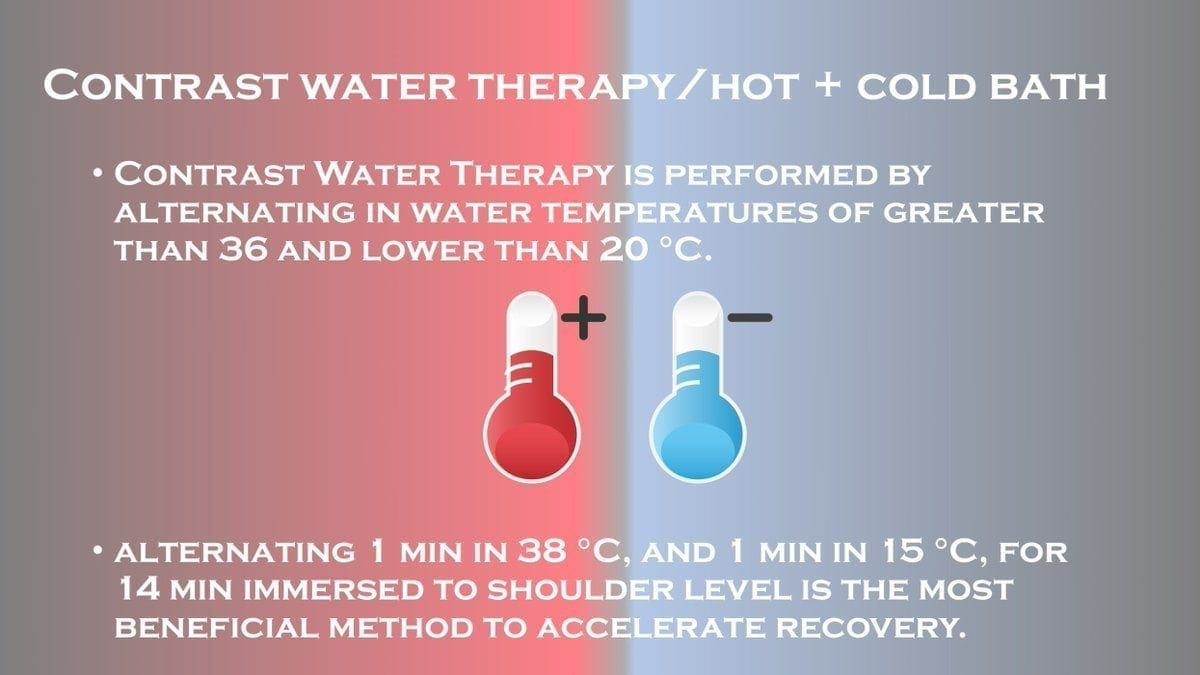
Source: Pro Soccer Science
Finish up with cold. One of the keys here is don't overdo it. 10 to 20 minutes tops should be enough time to reap benefits and avoid risks. Cold contracts muscles, so be sure to completely warm up afterwards. It is theorized that cold therapy can slow down inflammation and combat muscle and joint pain.
The benefits include feeling recovered sooner after intensive training, with less soreness. Cold may temporarily dull pain and swelling, while warmth relaxes tightness and trigger points. Lactic acid is not the culprit behind next-day soreness: lactate is cleared within about an hour after training.
Caution
Don’t use this cold/heat technique on a fresh injury, as it could increase swelling. For a new or worsening injury, follow your doctor or physical therapist’s advice.
Ice Water Therapy


Source: viktor95, Standard License, via Shutterstock
The general theory behind ice water therapy is that cold eases soreness and swelling and speeds the feeling of recovery from intensive training or competition events. Combative sports like UFC and MMA are physically intense, and many fighters use ice water therapy to try to reduce the inflammatory and physiological stress of training or fighting sessions.
Studies of ice water therapy have given mixed results, however. Some research studies show positive benefits, while others suggest the benefit may be no greater than a placebo effect, with no loss of fighting strength. Other research (below) found that regular cold water immersion can blunt long-term gains in muscle mass and strength.
Studies Show Cold Water Immersion Diminishes Gains
Fighters need to know that a 2015 study found regular cold water immersion after strength training blunted long-term gains in muscle mass and strength. “It also blunted the activation of key proteins and satellite cells in skeletal muscle up to 2 days after strength exercise…This investigation offers the strongest evidence to date that using cold water immersion on a regular basis may interfere with training adaptations”. Bodies respond differently, so many fighters save cold water for competition or back-to-back hard days rather than every workout.
Use Ice Locally
It is an excellent idea to ice hands and joints after killer training sessions. Ice reduces swelling, relieves pain, and can feel really great to battered hands, elbows, knees, feet, and neck. Try filling a bowl with ice and water for soaking hands, feet, and elbows. For neck and shoulders soak a hand towel in the icy water, wring out, and lay over sore or overheated areas. Another trick is to fill paper cups with water and freeze. Then apply to jacked knees, wrenched thigh muscles, or whatever hurts, up to four times a day, tearing off paper as needed.
Detox Baths & Essential Oils
The skin is the largest organ in the body, and has the highest absorption capacity. Average skin absorption from bathing is much higher than oral ingestion, with skin on average absorbing over twice as much during a given time interval as is absorbed orally.
Martial Artists Detox Baths?
Detoxification is an ancient idea and a traditional healing concept in Chinese and Ayurvedic medicine. In those traditions, detoxifying means cleansing and nourishing the body both inside and outside.
The skin is the body’s largest organ, but it is mainly a barrier, not a drain. Detoxification is handled by the liver and kidneys, and a bath does not pull toxins out through the skin.
A Relaxing Soak Fits Every Martial Arts Style
Many martial artists like a “detox” bath as part of their routine, but what it really offers is relaxation. A soak needs very little—a tub and, if you like, salt, Epsom salts, baking soda, or a few drops of essential oil. The evidence that an Epsom salt detox removes toxins is lacking, so enjoy it for how it helps you unwind.
A Note on Toxin Claims
Worries about pesticides, pollutants, and chemicals in food and water are understandable, but the idea that everyday exposure causes a “toxic overload” that a bath can fix is not supported by evidence. If you are concerned about a specific exposure, talk to your doctor.
A Relaxing Recovery Soak
Make the water warm, not hot. If you like, add 1 cup of baking soda, 1 to 2 cups of salt or Epsom salts, and a few drops of essential oil such as lavender or frankincense mixed well into the water; essential oils can irritate skin, so start with just a few drops. Keep your head above the water. Close your eyes, relax, and do breathing exercises. Soak for about 10 to 20 minutes.


Source: enterlinedesign, Standard License, via Shutterstock
When finished, stand up slowly and cautiously in case of dizziness. A quick cool rinse afterward feels refreshing. Use whatever gentle soap, shampoo, and lotion your skin tolerates well.
Avoid a heavy meal or alcohol right before or after a hot soak. Drink water, rest, and rejuvenate.
Training and Essential Oils
Essential oils have been used for thousands of years, and many people find their scents relaxing. Lab and small human studies hint at effects on pain, inflammation, and mood, but evidence for aromatherapy is limited. Essential oils can irritate skin, so dilute them before applying, and never swallow them.

Source: fotohunter, Standard License, via Shutterstock
Lavender, frankincense, and blends marketed for muscle aches are popular with athletes after hard training. Many people like them for relaxation, but claims that particular brands are proven to reduce inflammation, alter immune response, or speed wound healing come mostly from lab studies and manufacturers, not solid clinical trials.
A massage with a diluted oil or a muscle rub can feel soothing on sore joints, trigger points, and tired muscles after strenuous exercise—much of that relief likely comes from the massage itself.
Lab research suggests compounds in lavender may act on NMDA receptors and on serotonin reuptake, which could help explain its calming reputation, but evidence in people is limited.
Research on frankincense essential oil in lab-grown skin cells found effects on signaling pathways related to inflammation, wound healing, and immune response. Those are cell studies, promoted largely by the oil’s manufacturer, and they do not show that the oil treats inflammation or wounds in people.

Frequently Asked Questions
Is a Hot Bath Good for Sore Muscles After Training?
A warm bath can ease stiffness, relax tight muscles, and help you unwind after a hard session, and many fighters find it improves sleep. Research on heat for recovery is smaller than for cold water, but warm soaks are a reasonable comfort measure. Keep the water warm rather than scalding, limit soaks to around 10 to 20 minutes, drink water, and skip heat on a fresh, swollen injury. Check with your doctor if you have a heart condition or are pregnant.
Do Epsom Salt Baths Actually Help Muscle Recovery?
Epsom salt baths are relaxing and generally safe for healthy adults, but good evidence that magnesium absorbs through the skin in meaningful amounts is lacking. Most of the benefit likely comes from the warm water itself. Enjoy them if they help you relax, but don't rely on them to fix a magnesium shortfall or cut weight; food and a doctor's advice are better routes. Avoid them on broken skin, and ask your doctor first if you have kidney or heart problems.
Are Ice Baths Good for Recovery After Martial Arts Training?
Cold water immersion can reduce soreness and help you feel recovered faster after intense sessions or competition. However, research suggests regular cold plunges right after strength training may blunt long-term gains in muscle size and strength. Many athletes save cold water for tournaments or back-to-back hard days rather than every workout. Cold, not ice-filled, water for short periods is typical. Check with your doctor first if you have heart problems, high blood pressure, or cold sensitivity.
Does Contrast Bath Therapy Work for Athletes?
Contrast water therapy, alternating short bouts of cold and warm water, has been shown in systematic reviews to modestly reduce muscle soreness and perceived fatigue after hard exercise compared with passive rest. The effect is similar to cold water immersion alone, so pick whichever you tolerate better. Keep total time reasonable, finish feeling comfortable, and avoid extreme temperatures. People with heart conditions, circulation problems, or a fresh injury should check with their doctor or physical therapist first.
Do Detox Baths Really Remove Toxins From the Body?
There is no good scientific evidence that baths draw toxins out through the skin. Your liver and kidneys handle detoxification, and sweat plays only a minor role. A warm soak with salts or a few drops of essential oil can still feel relaxing, which has value for a stressed fighter. Just skip very hot water and long soaks, dilute essential oils, stop if your skin reacts, and stand up slowly to avoid dizziness.
