Growing up, I witnessed firsthand how martial arts can transform lives. I'm a martial arts instructor with over two decades of experience and the father of two teenage daughters who trained in Brazilian Jiu-Jitsu. Along the way, I've seen how the right martial art can give girls life-changing skills. The best martial arts for girls offer more than just self-defense techniques—they build confidence, foster discipline, and develop physical fitness that serves young women throughout their lives.
Personal safety concerns continue to grow. Martial arts training gives girls practical skills to protect themselves while also building mental resilience. However, finding the right martial art for your daughter isn't just about learning to fight. It's about finding a path that fits her personality, builds her confidence, and gives her tools for life's challenges.
Many parents approach me with uncertainty about which martial art would suit their daughters best. They worry about injury risks, wonder if certain styles are too aggressive, or question whether their daughters have the right body type for specific disciplines. These concerns are valid, but they shouldn't prevent girls from experiencing the transformative benefits martial arts offer.
Throughout this guide, I'll share insights from my years teaching aikido and watching my own daughters progress through Brazilian Jiu-Jitsu. We'll explore seven martial arts styles particularly well-suited for girls, examining their unique benefits and potential drawbacks. I'll also provide practical advice on choosing the right martial art based on your daughter's individual needs and interests.
Consider this your roadmap. The goal is a martial art that teaches your daughter to defend herself and also helps her grow into a confident, disciplined, and resilient young woman. Let's begin.
Why Martial Arts Are Great for Girls
When I first introduced my daughters to Brazilian Jiu-Jitsu, I wasn't just thinking about self-defense. I wanted them to develop confidence, discipline, and physical strength in an environment that challenged and supported them. What I witnessed over that year of training confirmed what I've observed throughout my martial arts career: martial arts for girls' self-defense goes far beyond learning to fight back.
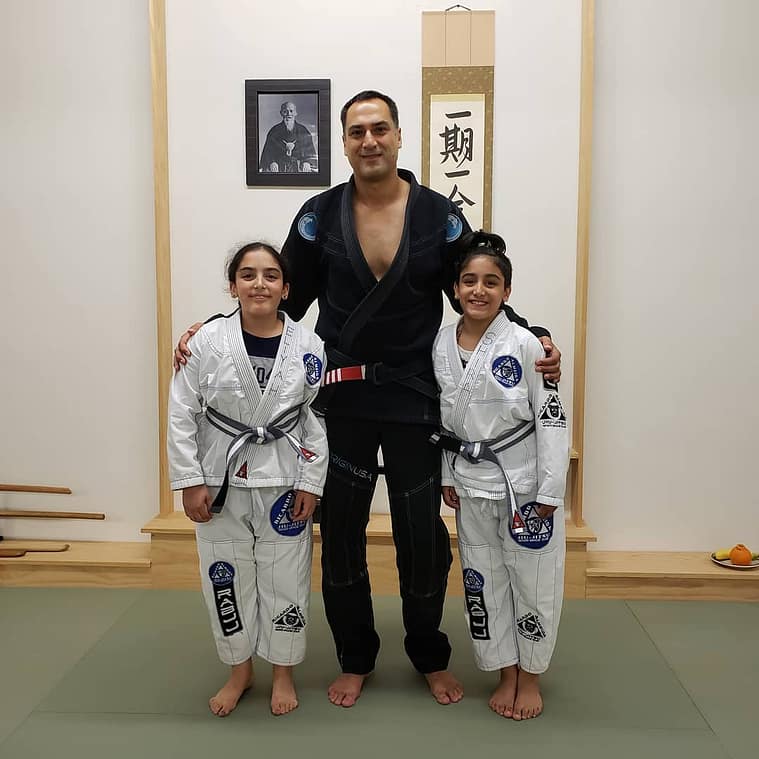
The benefits of martial arts training for girls are profound and multifaceted. Unlike team sports that might emphasize competition above all else, martial arts balance individual growth with community support. This unique combination creates an ideal environment for girls to thrive.
Building Unshakeable Confidence
The most striking transformation I've witnessed in female students is the development of genuine confidence. There's something powerful about knowing you can protect yourself that changes how you carry yourself in the world. This isn't about aggression—it's about self-assurance.
The mat doesn't lie. When you train consistently and overcome challenges in martial arts, you develop a confidence that's based on real achievement, not just positive thinking.
I've watched shy, hesitant girls transform into assertive young women who speak up for themselves and others. This confidence extends beyond the dojo into academic performance, social interactions, and goal-setting. Girls who train in martial arts learn to take up space unapologetically and voice their opinions without self-doubt clouding their minds.
Physical and Mental Strength Development
Martial arts training develops strength in ways many traditional girls' activities don't emphasize. The physical demands build functional strength, flexibility, and cardiovascular health. Girls develop awareness of their bodies as instruments of power rather than merely objects of appearance.
The mental benefits are equally important. Martial arts require focus, strategy, and perseverance. Girls learn to push through discomfort, regulate emotions under pressure, and develop the mental toughness needed to face life's inevitable challenges.
A study published in the Journal of Bodywork and Movement Therapies found that adolescents who participated in martial arts showed significantly improved emotional regulation, focus, and reduced anxiety compared to peers who didn't train.
In addition, the discipline girls learn on the mat often carries over to school. Many parents report better concentration and homework completion after their daughters start training.
The connection between physical training and character development makes martial arts unique. As we move on to specific styles, keep one thing in mind. The best martial art for your daughter supports both her physical abilities and her personal growth.
What to Look for in a Martial Art for Girls
Before diving into specific martial arts styles, let's discuss what makes a martial art particularly suitable for girls. Over my years teaching aikido and watching other disciplines, I've found several key factors. Together, they decide whether a martial art will be helpful and sustainable for young women.
Effectiveness in Self-Defense
When parents ask me about the most effective martial arts for girls, I always emphasize that self-defense effectiveness has multiple components. Sport-focused martial arts build valuable skills, but they might not directly translate to real-world situations. The most practical self-defense systems typically share these characteristics:
The best self-defense isn't about winning a fair fight—it's about recognizing danger early, setting boundaries clearly, and having the tools to escape if physical confrontation becomes unavoidable.
I tell parents to look beyond flashy techniques and evaluate whether what's being taught addresses realistic threats their daughters might face.
Accessibility and Learning Curve
Easy martial arts for girls to learn share certain characteristics that make them more accessible to beginners. Consider these factors when evaluating a martial art's learning curve:
Some martial arts require years of training before techniques become practically applicable. Others provide immediately useful skills while building toward more advanced techniques. For many girls, seeing early progress is crucial for maintaining motivation and building confidence.
Suitability for Different Body Types
One concern I frequently hear from parents relates to size and strength requirements. They wonder if their daughters will be at a disadvantage if they're smaller or less naturally athletic than their peers.
The truth is that anyone can practice any martial art. However, certain styles exist specifically to neutralize size and strength advantages. These arts tend to work particularly well for smaller practitioners, making them excellent choices for most girls.
Brazilian Jiu-Jitsu, for example, was developed specifically to allow smaller practitioners to overcome larger opponents through technique and leverage rather than brute force. Similarly, arts like Judo use an opponent's momentum against them, making them highly effective for smaller-framed practitioners.
Safety Considerations and Injury Prevention
As a parent who's watched my daughters train, I understand the concern about injury risks. Different martial arts carry varying levels of injury potential. Schools with proper safety protocols, qualified instructors, and age-appropriate training methods minimize these risks significantly.
A study in the Physical Medicine and Rehabilitation Clinics of North America found that martial arts actually have lower injury rates than many traditional team sports.
Look for schools that emphasize:
With these fundamentals in mind, let's explore seven martial arts styles that work especially well for girls and young women. Each one builds self-defense skills, confidence, and overall growth.
The 7 Best Martial Arts for Girls
After years of teaching and observing various martial arts, I've identified seven disciplines that stand out as particularly beneficial for girls. Each offers unique advantages while sharing the core benefits we've discussed. Let's explore them in detail.
Krav Maga — The Best Self-Defense System
When parents ask me about the absolute best self-defense martial arts for women, Krav Maga often tops my list. Developed for the Israeli military, this system takes a practical, no-nonsense approach to self-defense.
What makes Krav Maga particularly effective for girls is its focus on reality-based scenarios and instinctive movements. Rather than requiring years of practice to master complex techniques, Krav Maga teaches immediate, practical responses to common threats.
From observing Krav Maga demonstrations at martial arts events, what impresses me most is how quickly students can apply what they learn. The techniques leverage natural human reactions and don't rely on size or strength.
Key benefits of Krav Maga for girls include:
Krav Maga was designed for real-world effectiveness rather than competition or tradition. Instructors teach it so that students respond effectively to the types of attacks they're most likely to encounter, making it particularly valuable for women and girls.
The main limitation is that quality Krav Maga instruction is harder to find than some other martial arts. Also, instructors may need to tone down the intensity for younger girls.
Brazilian Jiu-Jitsu (BJJ) — The Art of Ground Fighting
Having watched my daughters progress in Brazilian Jiu-Jitsu, I can personally attest to its effectiveness for girls. BJJ's focus on leverage and technique rather than strength makes it an ideal system for smaller practitioners to neutralize size advantages.
BJJ stands out for its emphasis on ground fighting. That's an essential self-defense skill, since many real-world attacks end up on the ground. The controlled environment of BJJ training allows girls to develop comfort with close-range defensive skills that many other arts don't address as thoroughly.
The progression system in BJJ provides clear benchmarks for improvement, with colored belts representing demonstrated skill levels. This structure gives girls tangible goals to work toward and recognition of their achievements.
Some key benefits include:
Jiu-jitsu is perfect for women because it's designed for the smaller person to be able to defend against a bigger, stronger opponent. The techniques are based on leverage and timing, not brute force.
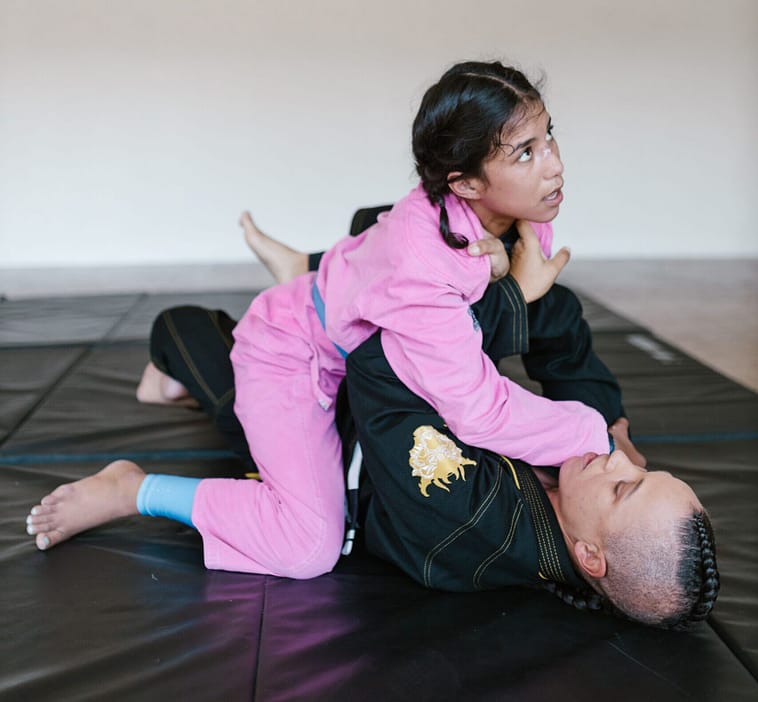
Source: RDNE, Pexels License, via Pexels
The main drawback is that BJJ has a steeper learning curve than some other styles. As a result, it can take longer before girls feel confident in their abilities. But as I witnessed with my daughters, the confidence that comes from mastering these techniques is well worth the commitment.
Taekwondo — Speed, Agility, and Kicking Power
Taekwondo stands out for its dynamic, athletic techniques that showcase what the female body is capable of achieving. As a Korean martial art known for its high, fast kicks and spinning techniques, Taekwondo develops extraordinary flexibility, speed, and coordination.
For girls, particularly those with natural flexibility, Taekwondo offers a way to develop powerful striking abilities that can overcome size differences. The long-range techniques teach girls to maintain safe distance from threats while developing devastating kicking power.
Additionally, Taekwondo's Olympic sport status means that competitive pathways exist for girls who wish to pursue the art at higher levels. The formalized patterns (forms) provide a structure that helps develop discipline and precision.
Key benefits include:
Two-time Olympic gold medalist Jade Jones credits her grandfather with introducing her to taekwondo at age eight, to give her a positive outlet for her energy. He drove her to Manchester and Cardiff to train with the best, and she considers him her inspiration in the sport.
The main limitation is that Taekwondo's focus on sport competition in many schools may limit its direct self-defense application. Parents should seek schools that balance the sport aspect with practical self-defense training.
Muay Thai — Powerful Strikes for Close Combat
Known as "the art of eight limbs," Muay Thai utilizes punches, kicks, knees, and elbows to create a comprehensive striking system. For teenage girls and young women seeking serious striking skills, Muay Thai provides an intensive, highly effective training method.
What impressed me when observing female Muay Thai practitioners was their development of power regardless of their natural strength. The technical focus on proper body mechanics allows smaller fighters to generate surprising force through efficiency rather than muscle mass.
Muay Thai also builds exceptional cardiovascular conditioning and mental toughness. The intense nature of training develops resilience that transfers to all areas of life.
Benefits for girls include:
The primary limitation is that Muay Thai's intensity may not suit younger girls. In addition, its focus on striking leaves ground defense out. It works best for teenagers and young women, or as a complement to a grappling art like BJJ.
Judo — Using an Opponent's Strength Against Them
Judo exemplifies the principle of using an opponent's energy against them. Its founding idea is "maximum efficiency with minimum effort." This Olympic sport teaches throws, takedowns, pins, and submissions. With them, a smaller person can control and defeat a larger opponent.
During my aikido training, I studied many principles shared with judo and witnessed how the technical focus empowers smaller practitioners. For girls, judo's emphasis on balance, timing, and leverage rather than brute strength makes it an excellent choice.
The competitive aspect of judo can be valuable for girls, teaching them to perform under pressure while developing a strong sense of sportsmanship. The clear progression through belt ranks provides measurable advancement.
Key benefits include:
Judo taught two-time Olympic gold medalist Kayla Harrison that her perceived weaknesses could become her greatest strengths.
The main limitation is that judo's competition rules restrict some techniques that could help in self-defense. On top of that, traditional judo schools may not focus on modern self-defense applications.
Boxing — Quick Hands and Footwork
Though often overlooked in discussions of martial arts for girls' self-defense, boxing provides invaluable skills for protecting oneself. The focused curriculum develops devastating hand strikes, defensive movement, and the ability to remain calm under pressure.
Having grown up watching boxing's iconic moments with my father, I've always appreciated the art's elegant simplicity. For girls, boxing builds hand speed, timing, and defensive awareness that can be crucial in self-defense situations.
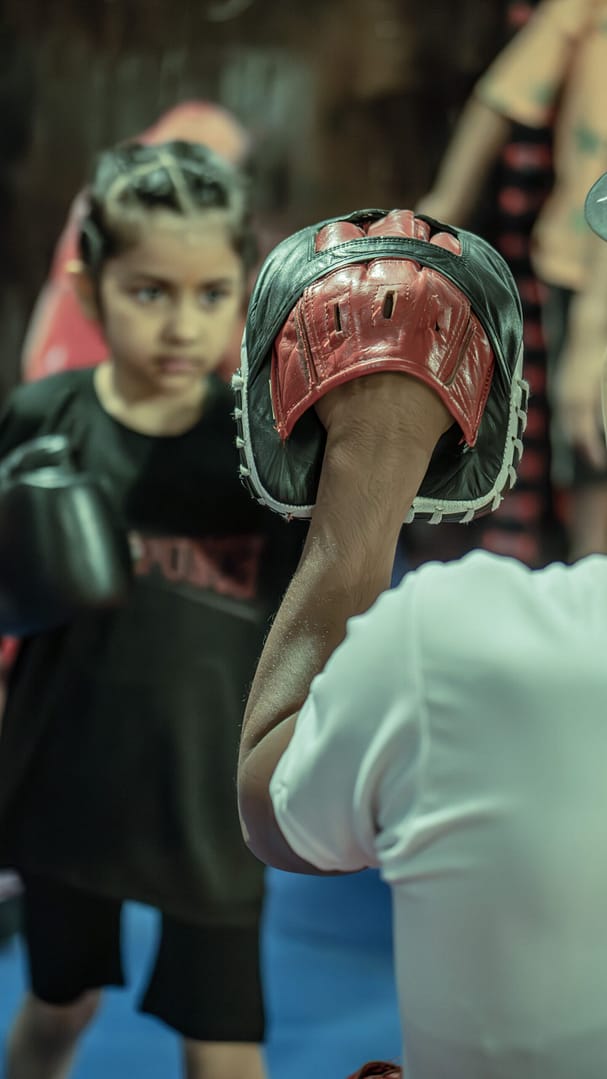
Source: aryasuraj, Pexels License, via Pexels
The cardiovascular demands of boxing training also make it an exceptional workout, developing functional fitness while teaching practical skills. The focused nature of the training—mastering a limited number of techniques rather than a broad curriculum—means progress can be rapid.
Benefits include:
Olympic gold medalist Claressa Shields shows that boxing isn't just about hitting hard. It's about precision, timing, and outsmarting your opponent. These skills translate directly to self-defense and to facing challenges in everyday life.
The primary limitation is that boxing doesn't cover ground fighting or defense against kicks and weapons. For that reason, it works best when combined with some grappling training.
Wing Chun — A Practical Martial Art for Women
Wing Chun's history matters when choosing the best martial arts for teenage girls. Legend holds that it was developed by a woman (Ng Mui, a Shaolin nun) and her female student (Yim Wing Chun). The system was designed specifically to overcome larger, stronger opponents through efficient technique rather than power.
The close-range fighting system emphasizes economy of motion, simultaneous defense and attack, and sensitivity to an opponent's energy. For girls, Wing Chun's focus on center-line control and close-range effectiveness provides practical tools for self-protection.
Some martial arts take years before you can apply them. By contrast, Wing Chun's straightforward approach builds functional skills relatively quickly. The system's emphasis on structure over strength makes it accessible regardless of size or natural athleticism.
Key benefits include:
Wing Chun's beauty lies in its efficiency. It doesn't try to match force with force, but rather use structure, positioning, and sensitivity to overcome larger opponents—making it ideal for women and girls.
The main limitation is that quality Wing Chun instruction can be harder to find than mainstream martial arts. Also, some schools may focus more on tradition than on practical application.
By understanding the unique benefits and approaches of these seven martial arts styles, you're better equipped to help your daughter find the right fit for her needs and goals. In the next section, we'll discuss how to approach this decision more systematically.
Best Martial Art for Girls Comparison Chart
How the seven styles compare: learning curve, skills developed, and what to watch for.
Martial Art | Learning Curve | Skills Developed |
|---|---|---|
Krav Maga | Simple, effective techniques that work under stress | Situational awareness first Realistic scenarios: grabs, holds |
BJJ | Colored belt progression gives clear benchmarks | Ground defense that neutralizes size and strength disadvantages |
Taekwondo | Colored belt progression | Powerful striking that can overcome size differences |
Muay Thai | Intensity may not suit younger girls | Proper body mechanics let smaller fighters generate surprising force |
Judo | Uses an opponent's energy against them Balance, timing and leverage over brute strength | |
Boxing | Rapid progress from a focused set of techniques | Hand speed, timing, defensive awareness |
Wing Chun | Developed by a female nun to overcome larger opponents | Economy of motion, simultaneous defense and attack |
How to Choose the Right Martial Art for Your Daughter
Finding the right martial art for your daughter requires considering several personal factors. Throughout my teaching career, I've guided many parents through this decision process. Below are the key considerations I recommend.
Self-Defense vs. Fitness Goals
The first question I ask parents is about their daughter's primary goals. Are they primarily concerned with self-defense capabilities, or are they equally interested in the fitness and sport aspects of martial arts?
If practical self-defense is the top priority, styles like Krav Maga, BJJ, and Wing Chun offer the most direct benefits. These systems focus explicitly on realistic scenarios and developing applicable skills quickly.
If competitive opportunities or physical development is equally important, Taekwondo, Judo, or Muay Thai might be better fits. These arts offer structured competitive pathways while still developing useful self-defense skills.
The best fighting style for self-defense depends on each woman's specific goals and concerns. Self-defense expert Melissa Soalt leverages this concept in her teachings.
Remember that all martial arts can improve fitness. Still, Muay Thai and Boxing tend to build exceptional cardiovascular conditioning, while grappling arts like BJJ and Judo build unique strength and body awareness.
Comfort Level with Physical Contact
An often overlooked factor is your daughter's comfort level with different types of physical contact. Some girls may feel uncomfortable with the close-range grappling of BJJ or Judo initially, while others might prefer this over the striking emphasis of Boxing or Taekwondo.
I've found that many girls who initially feel hesitant about grappling become comfortable once they understand the controlled nature of training and experience the empowerment it brings. Still, it's important to consider your daughter's current comfort level and preferences.
Most quality schools offer trial classes or observation opportunities. Take advantage of these to gauge your daughter's reaction to different training environments before committing.
Availability of Training Centers
The best martial art in theory means little if quality instruction isn't available in your area. When my daughters decided they wanted to try a martial art, I sought out reputable BJJ schools because I knew the value of quality instruction.
Research local options thoroughly:
A mediocre school teaching an "ideal" martial art will be less beneficial than an excellent school teaching a different style. The quality of instruction often matters more than the specific martial art chosen.
Personal Learning Style and Preferences
Finally, consider your daughter's individual learning style and preferences. Some girls thrive in the structured, disciplined environment of traditional martial arts like Taekwondo or Karate. Others respond better to the more informal atmosphere often found in BJJ or boxing gyms.
Similarly, some girls might prefer the clear objectives of forms-based training, while others might engage more with the problem-solving aspects of sparring-focused styles. There's no universal "best" approach—only what works best for your daughter's unique personality.
When I introduced my daughters to BJJ, I chose a school with an instructor known for making training enjoyable and accessible for young people. This engagement factor proved crucial for maintaining their interest during challenging periods.
The most important factor is finding a martial art and school where your daughter feels motivated to continue training consistently. Even the most effective martial art only works if she practices regularly and develops her skills over time.
Self-Defense Tips for Girls
While martial arts training provides valuable skills, complete self-defense goes beyond physical techniques. Throughout my teaching career, I've emphasized that the best self-defense strategy prevents confrontation entirely. Here are essential components of comprehensive self-defense training for girls.
Developing Situational Awareness
The most fundamental self-defense skill isn't a physical technique but the ability to recognize potential threats before they develop. I teach students to practice situational awareness as a daily habit:
"Over 90% of self-defense is awareness and avoidance," notes Tony Blauer, founder of the SPEAR self-defense system. "Physical techniques are your last resort when prevention strategies have failed." (Blauer, T., Personal Defense Readiness Workshop, 2022)
Encourage your daughter to practice these awareness skills consciously until they become automatic habits. Simple exercises like identifying all exits when entering a new space can develop this crucial mindset.
Essential Escape Techniques
From my experience in martial arts, I've observed that effective self-defense techniques for girls should focus first on escapes from common grabs and holds. These fundamental skills can address many potential threats:
These techniques share common principles: creating initial space, using explosive movement, and immediately creating distance from the threat. They're designed to be simple, instinctive, and effective under stress.
The Power of Verbal Self-Defense
Throughout my teaching career, I've emphasized that physical techniques are only one component of complete self-defense. Equally important is the ability to set boundaries confidently and use verbal strategies to prevent escalation.
Key verbal self-defense elements include:
I've watched many martial arts classes. In the good ones, instructors stress that verbal de-escalation comes before physical techniques, because the voice is the first line of defense.
Self-defense expert Melissa Soalt emphasizes that your voice is a weapon. When used with conviction and volume, clear verbal boundaries can stop many potential threats before physical defense becomes necessary.
When to Use Physical Self-Defense
One of the most important principles in self-defense is that you have the right to protect yourself when your safety is genuinely threatened. Many girls and women hesitate to defend themselves due to socialization that discourages "making a scene" or fear of overreacting.
I encourage parents to explicitly give their daughters permission to:
This psychological preparation is as important as any physical technique. Without the mindset to act decisively, even the most extensive technical training may not be applied when needed.
By integrating awareness, verbal strategies, and physical techniques, girls develop comprehensive self-defense capabilities that serve them in various situations. These fundamentals complement any specific martial art they choose to study.
"
The first priority in self-defense is creating enough space to escape. Advanced submissions are impressive, but for real self-defense, the focus should be on teaching female students how to get away safely.
Getting Started with Martial Arts
The journey into martial arts can seem intimidating, but with the right approach, it becomes an exciting and rewarding experience. Here's my advice for helping your daughter begin her martial arts training successfully.
Finding the Right Instructor and School
The instructor and school environment will significantly impact your daughter's experience. When I enrolled my daughters in BJJ, I visited multiple schools before making a decision. Here's what to look for:
Instructors who:
School environments that:
The right instructor doesn't just teach techniques—they build a culture of respect, growth, and empowerment. This culture is especially important for female students who might initially feel out of place in a traditionally male-dominated activity.
Don't hesitate to request trial classes before committing. Most reputable schools offer this opportunity, allowing your daughter to experience the teaching style and atmosphere firsthand.
Beginner Training Drills to Try at Home
Supporting your daughter's training at home can accelerate her progress. During my daughters' BJJ training, we incorporated simple drills that reinforced their in-class learning. Here are some beginner-friendly exercises that work for most martial arts styles:
Footwork and Stance Practice:
Basic striking techniques (for Striking Arts):
Movement Fundamentals (for Grappling Arts):
Conditioning Exercises:
Keep home practice positive and fun, focusing on consistency rather than intensity. Otherwise, you risk losing their interest! Even 10-15 minutes of regular practice can significantly enhance your daughter's progress.
Importance of Practice and Consistency
Perhaps the most important advice I give parents is that consistency matters more than intensity in martial arts development. Regular attendance at classes, even during challenging periods, builds the habits necessary for long-term progress.
I've observed that students who attend class 2-3 times weekly consistently progress much faster than those who train intensively but sporadically. This consistent exposure allows the body and mind to integrate techniques more effectively.
To support consistency:
Martial arts mastery isn't about flashy techniques or intense training sessions. It's about showing up consistently, making small improvements, and trusting the process. This is especially true for beginners who might not see dramatic progress immediately.
By finding the right school, supporting home practice, and maintaining consistency, you'll set your daughter up for a successful and rewarding martial arts journey. The skills and confidence she develops will serve her throughout her life, both on and off the mat.
Final Thoughts on the Best Martial Arts for Girls
I've practiced martial arts for over four decades and watched my own daughters train. Both taught me how transformative the right martial art can be in a girl's life. The best martial arts for girls teach effective self-defense techniques. Just as important, they build mental resilience and self-confidence that extend far beyond physical training.

Source: RDNE Stock project via Pexels
Each of the seven martial arts we've explored offers unique benefits. Krav Maga provides direct, practical self-defense. Brazilian Jiu-Jitsu empowers smaller practitioners to neutralize size advantages. Taekwondo develops extraordinary agility and kicking techniques. Muay Thai builds powerful striking capabilities and mental toughness. Judo teaches the art of using an opponent's strength against them. Boxing develops precise striking and defensive movement. Wing Chun offers efficient techniques specifically designed for smaller practitioners.
The "best" choice ultimately depends on your daughter's individual needs, interests, and the quality of local instruction available. Many successful martial artists cross-train in complementary styles as they advance—perhaps starting with Taekwondo's structured approach before adding BJJ's ground-fighting expertise.
What Matters Most in the Long Run
What matters most isn't which martial art your daughter chooses but that she finds one that engages her interest and motivates consistent training. The discipline, confidence, and self-protection skills she develops will serve her throughout life's challenges.
As a martial arts instructor and father, I've seen firsthand how proper training helps girls walk through the world with confidence. That's not just because they can protect themselves. It's because they've discovered their own strength through consistent challenge and growth.
I encourage parents to support their daughters' martial arts journey with patience and enthusiasm. The transformation doesn't happen overnight, but with consistent practice, the results are nothing short of remarkable. Your daughter will develop not just self-defense skills but the confidence to set boundaries, overcome obstacles, and recognize her own remarkable capabilities.
Techniques matter, but the most valuable lessons come from the journey itself. They include the drive to keep going through setbacks, a community that supports growth, and the discovery of inner strength she may not have known she had. Not sure a girls-focused art is the right starting point? My guide to the best martial arts to learn walks through how to choose based on your goals.

Frequently Asked Questions
What is the Best Martial Art for Girls to Learn for Self-Defense?
For pure self-defense effectiveness, Krav Maga and Brazilian Jiu-Jitsu typically top the list. Krav Maga offers practical, scenario-based training, while BJJ provides essential ground defense skills that work regardless of size differences. Wing Chun is another practical option, since it was designed to overcome larger, stronger opponents through efficient technique rather than power.
Is Martial Arts Safe for Young Girls?
Martial arts can be very safe for girls of all ages when the instruction is good. Reputable schools prioritize proper technique, progressive training methods, and age-appropriate instruction. The injury risk is actually lower than in many team sports.
Which Martial Art is Easiest to Learn?
Krav Maga and Boxing are generally considered among the easiest martial arts to gain basic proficiency in quickly. Both focus on a limited set of high-percentage techniques rather than extensive curricula, allowing for faster progress. In boxing especially, mastering a limited number of techniques means progress can be rapid.
What is the Best Martial Art for a Small Girl?
The best choices are arts designed to neutralize size and strength advantages. Brazilian Jiu-Jitsu was developed specifically so smaller practitioners could overcome larger opponents through technique and leverage rather than brute force. Judo and Wing Chun work the same way, relying on balance, timing, leverage, and structure instead of muscle.
Can Martial Arts Help with Confidence and Self-Esteem?
Absolutely. The confidence gained through martial arts training is among its most valuable benefits. This confidence stems from real achievement, physical capability, and the knowledge that you can protect yourself—creating lasting improvements in self-esteem that extend to all areas of life. I've watched shy, hesitant girls transform into assertive young women who speak up for themselves and others.
Featured Image Source: PAPA WOR, Standard License, via Shutterstock