Throughout human history, conflict has been an unfortunate constant. From tribal disputes to empire-building conquests, the need to defend oneself against aggression sparked the creation of structured combat systems across every inhabited continent. These systems eventually evolved into what we now call martial arts, sophisticated disciplines that blend physical techniques with mental fortitude and philosophical principles.
The history of martial arts represents one of humanity's most fascinating cultural developments—a testament to our capacity for both destruction and artistic expression. Necessity gave birth to these fighting systems. Over the centuries, however, they became vehicles for personal growth, spiritual development, and cultural preservation. What began as battlefield tactics designed to ensure survival has evolved into respected traditions practiced by millions worldwide for reasons far beyond combat.
Many people are drawn to martial arts without fully appreciating the rich tapestry of history behind every punch, kick, and throw. Each technique carries the legacy of countless practitioners who refined these movements over generations, adapting them to changing circumstances and needs. Understanding this history doesn't just satisfy curiosity—it deepens your practice by connecting you to an unbroken chain of knowledge transmission spanning millennia.
The journey through martial arts history is complex, filled with mythology, cultural exchange, innovation, and adaptation. Some styles emerged in isolation, while others developed through cross-cultural pollination as trading routes connected distant civilizations. Wars and conquests both threatened martial traditions and spread them to new regions, creating a fascinating web of influence that continues to evolve today.
Why Martial Arts History Matters
As a martial artist with four decades of experience across multiple disciplines, I've witnessed how historical understanding transforms practice. When I first began training in Isshin Ryu Karate as a teenager, I saw only the physical techniques. It wasn't until I explored the origin of martial arts more deeply that I grasped how cultural contexts shaped each style I encountered—from the samurai influence on Japanese arts to the spiritual foundations of Chinese systems.

Source: siriwat sriphojaroen, Standard License, via Shutterstock
In this comprehensive exploration, we'll trace martial arts from their earliest documented origins through their global spread and modern transformations. You'll discover where martial arts originated, how they've evolved, and why they remain relevant in today's world. This journey spans continents and centuries, revealing the fascinating story behind these enduring combat systems that continue to captivate practitioners worldwide.
Why It's Called "Martial Arts"
The term "martial arts" has an interesting origin that many practitioners don't realize. While most people associate martial arts with Eastern combat traditions, the name itself has European roots. "Martial arts" literally means "arts of Mars," referring to Mars, the Roman god of war. Romans revered Mars as one of their most powerful gods and the patron deity of soldiers.
The term itself began in Europe, where people used it to describe their own combat systems. According to martial arts historian John Clements, the term referred to European combat systems as early as the 1550s. Only later did "martial arts" become primarily associated with Asian fighting styles, particularly after the surge in popularity of Asian martial arts in Western countries during the 1960s and 1970s.
What makes martial arts unique compared to other combat sports is their philosophical dimension. The primary unifying aspect of East Asian martial arts, which sets them apart from other martial arts, is the influence of Daoism and Zen Buddhism. This influence stresses the mental and spiritual state of the practitioner. As a result, it develops the whole person, not just fighting ability. I began training in Isshin Ryu Karate as a teenager and later explored Aikido under multiple masters. Along the way, I've experienced this mind-body-spirit connection firsthand. The martial arts background I've developed isn't just about learning techniques; it's about developing character, patience, and self-mastery.
The Origins of Martial Arts
The history of martial arts spans thousands of years across multiple civilizations, with evidence of organized fighting systems appearing in some of the world's earliest cultures. Many people wonder where did martial arts originate and how long has martial arts been around. Archaeological evidence suggests combat systems date back at least 5,000 years. Let's explore the roots of martial arts across different regions and discover the martial arts country of origin for various styles:
China
China boasts one of the oldest and most influential martial arts traditions in the world. Where is martial arts from? For many of the most famous styles, the answer is China. Ancient Chinese martial arts and Shuai jiao (Chinese wrestling) first originated thousands of years BC, during the Xia Dynasty. Chinese boxing dates back to the Zhou Dynasty period of 1122-255 BC, originally developed for self-defense by both soldiers and hunters.
Cultural exchanges between early Chinese and Indian martial arts likely laid the foundation of modern East Asian martial arts. During China's Warring States period (480–221 BC), extensive development in martial philosophy and strategy emerged, as described by Sun Tzu in The Art of War (c. 350 BC).
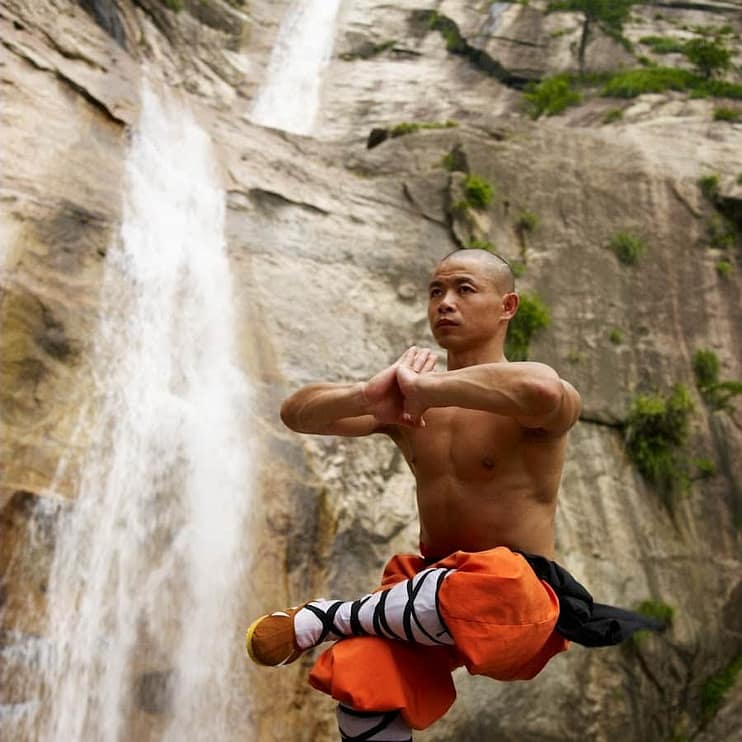
The Shaolin Temple, established in the 5th century CE, became a crucial hub for martial arts development. Tradition holds that an important development came in 527 A.D. That year, the Indian monk Ta Mo (also known as Bodhidharma) taught the monks of the Shaolin Temple the 18 Buddhist Fists. These later evolved into the Five Animal Styles of Shaolin. This system would influence countless other martial arts throughout Asia.

During my travels to the Far East after completing my undergraduate degree, I was struck by how deeply martial arts were woven into Chinese cultural identity. The philosophical concepts of Yin and Yang, along with Taoist principles, informed not just fighting techniques but an entire worldview that emphasized harmony and balance.
India
India's contribution to martial arts history is significant yet often overlooked. Classical Sanskrit epics contain the earliest written accounts of combat in India. Stories describe Krishna engaging in wrestling matches using knee strikes to the chest, punches to the head, hair pulling, and strangleholds.
Kerala is home to Kalaripayattu, one of the oldest surviving forms of Indian martial arts. Its origins date back to the 12th century. This sophisticated system incorporated strikes, kicks, grappling, and weaponry, influenced by yoga and Ayurvedic principles.
Ten fighting styles of northern India reportedly arose in different areas, each based on animals and gods. Their creators designed each style for the geography where it began. Tradition ascribes their convergence to the 6th-century in the Buddhist university of Takshashila, located in today's Punjab region.
When did martial arts begin in India? Many historians believe the organized systems date back to at least 1000 BCE, making the martial arts country of origin for some of the earliest documented fighting systems the Indian subcontinent.
Greece and Rome
Western martial traditions have equally ancient roots. Wrestling is the oldest combat sport, with origins in hand-to-hand combat. Works of art from Mesopotamia and Ancient Egypt depict belt wrestling around 3000 BC.
In ancient Greece, athletes developed a form of wrestling that included more stand-up techniques and throws. Greek athletes also had their own version of striking, which included an early form of boxing, and pankration, a combat sport that included ancient boxing hand strikes, kicks, grappling techniques, and submission holds. This comprehensive combat system is considered a precursor to today's mixed martial arts.
The original Olympic Games featured wrestling, boxing, and pankration, which shows how much Greek society valued martial prowess.
Japan
Japanese martial arts have had a profound impact on the global martial arts community. The samurai warrior tradition began in the 12th century and developed sophisticated systems of armed and unarmed combat.
Karate, one of the most popular martial arts today, originated on the island of Okinawa in the 1700s. Karate mainly involves kicks and punches, though it also includes weapons training in some styles.
Judo, developed in the 1800s by Jigoro Kano, involves the use of throws and grappling to overcome opponents. Morihei Ueshiba developed Aikido, another famous Japanese martial art, in the mid-1900s. He blended various fighting styles, including spear fighting, swordsmanship, and Jujitsu.

My own Aikido training under Shihan Benjamin Garlarpe on Guam and later with Shihan Yoshimitsu Yamada and Shihan Donovan Waite in the United States taught me the principles of blending with an opponent's energy rather than meeting force with force—a philosophy that's influenced my approach to conflicts both on and off the mat.
Korea
Korean martial arts have a rich history that intertwines with those of neighboring countries while maintaining distinctive characteristics.
General Choi Hong Hi developed Taekwondo in the 1940s and 1950s and championed its name from 1955. He merged Shotokan karate with Korean martial arts such as Taekkyon and Gwonbeyop to create a distinctive style.
Traditional Korean martial arts place emphasis on the development of the practitioner's spiritual and philosophical being. A common theme in most Korean styles, such as Taekkyon, taekwondo, and Hapkido is the value of "inner peace" in a practitioner, which these styles teach you can only reach through individual meditation and training.
What is Classified as Martial Arts?
Martial arts encompasses a diverse range of combat practices from around the world. Discovering what is classified as martial arts is essential to understanding the breadth of these fighting systems. All martial arts share certain common elements despite their diverse origins and approaches.
You can categorize martial arts using various criteria, including traditional/historical arts versus contemporary styles, techniques taught (armed vs. unarmed), and by application or intent (self-defense, combat sport, demonstration, physical fitness, or meditation).
It's not trivial to distinguish "traditional" from "modern" martial arts. Chronology is not the decisive criterion, as "traditional" Taekwondo dates from the 1950s, while the "modern" hybrid martial art of Bartitsu dates from around 1900.
Broadly speaking, martial arts fall into striking arts (like Karate, Taekwondo, and Muay Thai), grappling arts (like Judo, Wrestling, and Brazilian Jiu-Jitsu), and hybrid systems that incorporate both striking and grappling (like Mixed Martial Arts).
Why was martial arts created in the first place? The primary reasons across all cultures were self-defense, warfare, and hunting skills. However, as martial arts evolved, they also became vehicles for spiritual development, cultural expression, and sporting competition.
Components of Martial Arts
Equipment
Equipment plays an essential role in martial arts training and competition. Traditional martial arts often use specific training tools that have evolved over centuries.
Training gear for martial artists includes items like heavy bags, focus mitts, and practice dummies that allow practitioners to develop power and precision in their techniques without harming training partners.
Traditional weapons vary widely across different martial arts systems. Japanese martial arts include training with katana (sword), bo (staff), and nunchaku. Chinese martial arts incorporate weapons like the jian (straight sword), qiang (spear), and sanjiegun (three-section staff). Korean martial arts feature weapons such as the janggeom (sword) and jang bong (staff).
Protective tools have become increasingly important in modern martial arts practice. These include mouthguards, headgear, chest protectors, and gloves, allowing practitioners to train with greater intensity while minimizing injury risk.
Throughout my years teaching Aikido at Old City Aikido in Philadelphia, I emphasized the proper use of training weapons (bokken, jo, and tanto) not just for technical proficiency but for developing the right mindset. Handling a weapon, even a wooden one, demands a level of responsibility and awareness that translates to all aspects of training.
Techniques
The technical arsenal of martial arts is vast and varied across different systems:
Striking techniques include punches, kicks, knee strikes, elbow strikes, and open-hand techniques. Different styles emphasize various striking methods—boxing focuses on punches, Taekwondo emphasizes kicks, while Muay Thai utilizes the "eight limbs" (hands, elbows, knees, and shins).
Grappling encompasses throws, takedowns, joint locks, and pins. Judo and wrestling excel in throwing techniques, while Brazilian Jiu-Jitsu specializes in ground control and submissions.
Submission techniques include chokes, joint locks, and pressure point applications that can force an opponent to surrender. These are prominent in styles like Brazilian Jiu-Jitsu, Judo, and Sambo.
Defensive maneuvers include blocks, parries, evasions, and counters. Aikido and Wing Chun particularly emphasize defensive principles and counter-attacking.
Training Methods
Martial arts employ diverse training methodologies to develop skilled practitioners:
Kata/forms are pre-arranged sequences of movements that embody the principles and techniques of a martial art. These serve as living textbooks, preserving techniques and concepts through generations.
Sparring allows practitioners to apply techniques against a resisting opponent in a controlled environment. Depending on the style, sparring may be light contact, full contact, or somewhere in between.
Drilling involves repetitive practice of specific techniques to develop muscle memory and refine movements. This is the foundation of skill development in all martial arts.
Conditioning is crucial for developing the physical attributes needed for martial arts, including strength, endurance, flexibility, and balance.
Discipline-building routines incorporate meditation, breathing exercises, and ethical teachings that develop mental fortitude and character alongside physical skills.
How Martial Arts Evolved Through Different Ages
Medieval to Feudal Combat Systems
When did martial arts begin to develop into comprehensive systems? During the medieval and feudal periods, martial arts were primarily developed for warfare and protection.
In the medieval period, Asian martial arts became well documented. In Japan, the record begins with the rise of the samurai nobility in the 12th century. In China, Ming era treatises such as Ji Xiao Xin Shu record martial arts, while in India, medieval texts such as the Agni Purana and the Malla Purana describe them. Korean records date from the Joseon era.
European martial arts also flourished during this period, with comprehensive fighting manuals like Johannes Liechtenauer's fencing treatises emerging in the 14th century.
These systems were typically comprehensive, teaching warriors to fight both armed and unarmed, on foot or horseback. The techniques were designed to be effective on the battlefield and in personal duels, often with lethal intent.
Colonial Suppression & Secret Survival
Many traditional martial arts faced suppression during periods of colonization and conquest. When weapons were banned by conquering powers, indigenous fighting arts often went underground or were disguised as dances or cultural performances.
For example, capoeira developed among enslaved Africans in Brazil, disguised as a dance to hide its combat applications from slave owners. Mestre Bimba opened the first capoeira school in 1932, calling the style Luta Regional Baiana ("regional fight from Bahia"), because capoeira was still illegal in name.
Similarly, many Filipino martial arts survived in secret during Spanish colonization. Practitioners often hid them in folk dances or passed them down only within families.
20th Century Revival & Codification
The 20th century saw a renaissance of martial arts, as teachers formalized and systematized many styles and spread them around the world.
In 1935, "Karate" became the official name of the Okinawan martial arts, based on the traditional art of te (hand) and the term kara (empty or unarmed). The following year, Gichin Funakoshi published the first edition of his book Karate-Do Kyohan, documenting much of the philosophy and traditional kata of modern karate.
This is also the time period that witnessed the formation of modern jiu-jitsu, karate, kendo, and judo in Japan. Increased travel and trade between Asia and North America also began to introduce Asian martial arts to the Western world.
During this period, martial arts became more of a hobby and sport than a method of warfare. Various martial arts-based sports like fencing, Greco-Roman wrestling, and boxing became established, while modern martial arts like kendo, karate, jiu-jitsu, and judo continued to develop.
Pop Culture Explosion & Globalization
The latter half of the 20th century saw martial arts explode in popularity worldwide, largely due to cinema and television. The evolution of martial arts accelerated dramatically during this period.
From the 1970s, Traditional Chinese Martial Arts slowly became very popular in Western countries. The development and spread of Chinese Kung Fu movies from Hong Kong greatly contributed to this, especially via the influence of Bruce Lee.
Several factors fueled this growth. American soldiers encountered martial arts during World War II and the Korean War, and Kung Fu films grew more influential. As a result, martial arts, particularly Asian martial arts, kept growing in popularity in the U.S. and around the globe throughout the 20th century.
The term martial arts was popularized by mainstream popular culture during the 1960s to 1970s, notably by Hong Kong martial arts films (most famously those of Bruce Lee) during the so-called "chopsocky" wave of the early 1970s.
As a teen growing up in this era, I was captivated by the martial arts films featuring Bruce Lee and later Jackie Chan. These cultural touchstones drew countless people like me to dojos and training halls, eager to learn these mysterious Eastern arts.
Martial Arts in the Modern World
Mixed Martial Arts (MMA)
The late 20th and early 21st centuries saw the rise of Mixed Martial Arts as both a combat sport and a martial approach. This represents one of the most significant stages in the evolution of martial arts.
The Gracie family adapted Brazilian Jiu-Jitsu from Japanese jiu-jitsu earlier in the century. It began to gain worldwide attention in the '90s, when a promotion called the Ultimate Fighting Championship became a pay-per-view sensation. At the turn of the millennium, pankration, as well as promotions like PRIDE and a swiftly changing UFC led to the popularization of a new sport: mixed martial arts.
Many consider Bruce Lee a founding influence on modern MMA, and UFC president Dana White has called him the father of modern MMA. He certainly was a strong advocate for training in multiple fighting styles. He said, "use only that which works, and take it from any place you can find it." That's right at the heart of mixed martial arts.

Source: Perfect Lazybones via Shutterstock.com
I vividly remember watching UFC 1 in Denver, Colorado in 1993, which dramatically showcased the effectiveness of Brazilian Jiu-Jitsu when Royce Gracie defeated larger opponents with ground techniques that many viewers had never seen before. This event changed martial arts forever, challenging many traditional assumptions about effective fighting.
Sport vs. Tradition
Modern martial arts often navigate a tension between sporting competition and traditional practice.
In modern times, people practice derivatives of some armed martial arts, such as kendō (fencing) and kyūdō (archery), as sports. People also practice derivatives of the unarmed forms, such as judo, sumo, karate, and tae kwon do, for self-defense. Meanwhile, simplified forms of tai chi chuan (taijiquan), a Chinese form of unarmed combat, are popular as healthful exercise, quite divorced from their martial origins.
As MMA evolved, competitors could no longer rely solely on one style. This forced martial artists to cross-train and integrate the most effective techniques into a well-rounded skillset. MMA forced a rapid evolution and weeding out of impractical traditional techniques.
This evolution has sparked debates within the martial arts community about preserving tradition versus embracing change. Some schools maintain strict adherence to traditional forms and techniques, while others adapt and evolve based on practical application and competitive success.
Cultural Preservation & Global Influence
Despite the evolution toward sport and practicality, traditional martial arts continue to serve as important vehicles for cultural preservation and exchange.
The history of martial arts reveals a story of constant intercultural exchange, adaptation and innovation. Regional fighting systems improved by integrating effective techniques from elsewhere, leading to the birth of new styles.
Martial arts since the 1970s has become a significant industry, a subset of the wider sport industry. Hundreds of millions of people worldwide practice some form of martial art. The South Korean government in 2009 published an estimate that taekwondo is practiced by 70 million people in 190 countries.
Through my own journey from Isshin Ryu Karate to Aikido, with occasional training in striking arts and Brazilian Jiu-Jitsu, I've witnessed how martial arts create bridges between cultures. The universal language of mutual respect and shared struggle transcends national boundaries and creates lasting bonds between practitioners worldwide.
Final Thoughts
The history of martial arts is a testament to human ingenuity, adaptability, and the universal desire for self-protection and self-improvement. Understanding the origin of martial arts helps us appreciate their cultural significance and ongoing evolution. From battlefields to dojos, from ancient traditions to modern sports, all martial arts continue to evolve while maintaining connections to their rich heritage.
As a practitioner with four decades of experience, I've seen martial arts transform not just bodies but lives. The discipline, respect, and perseverance learned on the training floor extend far beyond physical techniques. Whether you practice for self-defense, competition, fitness, or spiritual growth, martial arts offer valuable tools for navigating life's challenges.
The journey through martial arts history reminds us that these fighting systems have always been more than just combat methods—they're vehicles for personal development, cultural expression, and community building. The evolution of martial arts continues in our rapidly changing world, yet they remain rooted in timeless principles of respect, discipline, and the pursuit of excellence.
What's your connection to martial arts? Are you a long-time practitioner, just beginning your journey, or simply curious about these ancient fighting arts? I'd love to hear your thoughts and experiences in the comments below.

Frequently Asked Questions
Where Did Martial Arts Originate?
Martial arts did not start in one place. Structured combat systems arose across every inhabited continent, with some styles emerging in isolation and others spreading along trade routes. China, India, Greece, Japan, and Korea all developed influential early traditions. In the West, belt wrestling appears in works of art from Mesopotamia and Ancient Egypt around 3000 BC.
How Long Have Martial Arts Been Around?
Archaeological evidence suggests combat systems date back at least 5,000 years. Chinese boxing dates back to the Zhou Dynasty period of 1122-255 BC, and many historians believe organized systems in India date back to at least 1000 BCE. Wrestling is the oldest combat sport, and the original Olympic Games featured wrestling, boxing, and pankration.
Why Is It Called "Martial Arts"?
"Martial arts" literally means "arts of Mars," after Mars, the Roman god of war and patron deity of soldiers. The name has European roots: according to martial arts historian John Clements, the term referred to European combat systems as early as the 1550s. Only later, after Asian martial arts surged in popularity in Western countries during the 1960s and 1970s, did the term become mainly linked to Asian fighting styles.
How Did Different Types of Martial Arts Develop?
Across all cultures, martial arts were first created for self-defense, warfare, and hunting skills. Wars and conquests both threatened martial traditions and spread them to new regions. When conquering powers banned weapons, indigenous fighting arts often went underground or were disguised as dances, as capoeira was in Brazil. Over time, martial arts became more of a hobby and sport than a method of warfare, as fencing, Greco-Roman wrestling, and boxing became established sports.
How Did MMA Change Martial Arts?
MMA showed that competitors could no longer rely solely on one style. UFC 1 in 1993 showcased the effectiveness of Brazilian Jiu-Jitsu when Royce Gracie defeated larger opponents with ground techniques. Since then, fighters cross-train and integrate the most effective techniques from many arts, which has weeded out impractical traditional techniques. That shift has also sparked debate about preserving tradition versus embracing change.
Featured Image Source: Wirestock Creators, Standard License, via Shutterstock